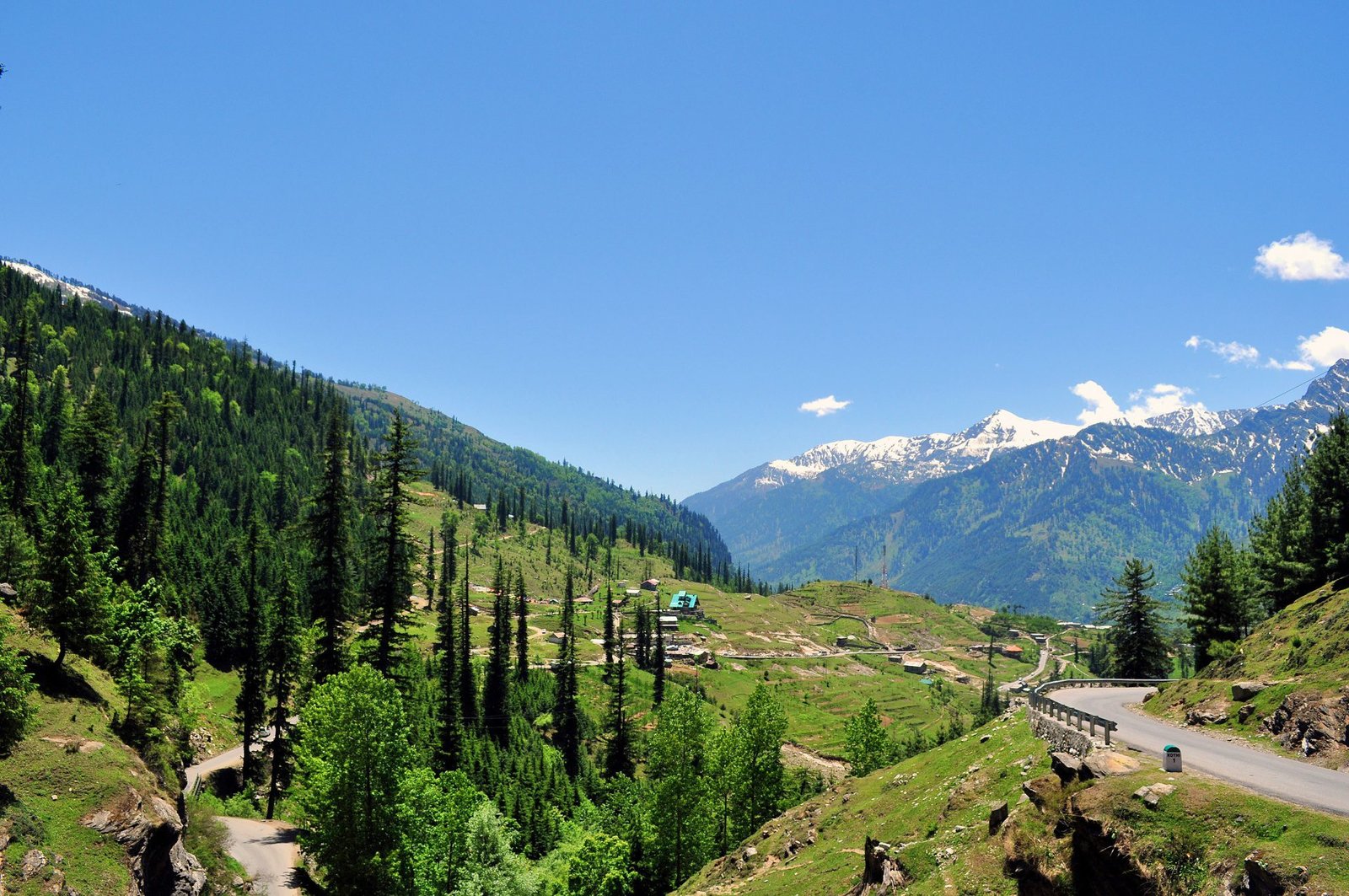
High above the misty clouds of southern Mizoram lies Phawngpui National Park, a sanctuary where the earth meets the sky in shades of blue and green. Also known as the Blue Mountain National Park, this pristine expanse is named after Phawngpui Peak, Mizoram’s highest point at 2,157 meters. The park is a haven of untouched wilderness, rare orchids, fluttering butterflies, and the gentle whispers of mountain winds.
Phawngpui is not just a landscape — it’s a sacred place deeply rooted in Mizo folklore. Local legends speak of spirits dwelling in its cliffs and a mythical princess who once lived among its clouds. The mountain’s bluish hue, caused by dense vegetation and mist, gives it an otherworldly beauty that captures the heart of every traveler.
For those who seek serenity, solitude, and the soul of nature, Phawngpui National Park offers an experience beyond words — where every path leads to peace and every view feels eternal.
How to Reach :
By Air: The nearest airport is Lengpui Airport (300 km) near Aizawl, Mizoram’s capital. From there, taxis and buses are available to reach Lunglei, the nearest major town to the park, about 100 km away. From Lunglei, one can hire a local vehicle to Fang village, the gateway to Phawngpui National Park.
By Train: The nearest railway station is Silchar (185 km) in Assam. From Silchar, travelers can take a shared cab or state transport bus to Aizawl, and then continue by road to Lunglei and Fang.
By Road: Phawngpui can be reached by road from Aizawl or Lunglei. The journey winds through picturesque hills, bamboo forests, and remote Mizo villages. Roads are narrow but scenic, offering glimpses of everyday life in the highlands.
Best Time to Visit :
The best time to visit Phawngpui National Park is between November and April, when the weather is clear and ideal for trekking. The skies are bright, temperatures are moderate, and the blue hues of the mountain are at their best.
During spring (February to April), the park comes alive with blooming rhododendrons, wildflowers, and butterflies. Monsoon months (June to September) bring heavy rain, which enhances the forest’s greenery but makes trails slippery. Winter months offer crystal-clear views and pleasant weather for hiking and camping.
Popular Attractions Nearby :
Phawngpui Peak: The crown of Mizoram, offering panoramic views of the Lushai Hills and even the distant hills of Myanmar on clear days.
Farpak: A picturesque plateau inside the park, ideal for camping and birdwatching.
Thaltlang Village (50 km): A traditional Mizo settlement known for its bamboo houses and handicrafts.
Vantawng Falls (170 km): The highest waterfall in Mizoram, cascading through dense forest near Serchhip.
Lunglei Town (100 km): A peaceful hill town surrounded by tea gardens and viewpoints overlooking the Tlawng River.
Wildlife and Flora :
Phawngpui is one of the richest biodiversity zones in the Northeast. The park is home to several rare and endangered species, including serows, gibbons, slow lorises, barking deer, and clouded leopards. It’s also a paradise for birdwatchers, hosting species like the Mrs. Hume’s pheasant, black eagle, neergaard’s sunbird, and mountain bamboo partridge.
The flora is equally enchanting — pine groves, bamboo forests, orchids, and wild rhododendrons blanket the hillsides, painting the park in vibrant hues throughout the year.
Travel Tips :
– Entry permits can be obtained from the Mizoram Forest Department or the Tourism Office in Aizawl.
– Carry essentials like warm clothing, trekking gear, and sufficient food supplies, as facilities are limited near the park.
– Hire a local guide from Fang village for a safe and informative trek.
– Respect the local customs — Phawngpui is considered sacred by the Mizo people.
– Avoid plastic waste; help keep the ecosystem clean and undisturbed.
– Be prepared for limited mobile connectivity — enjoy the digital detox