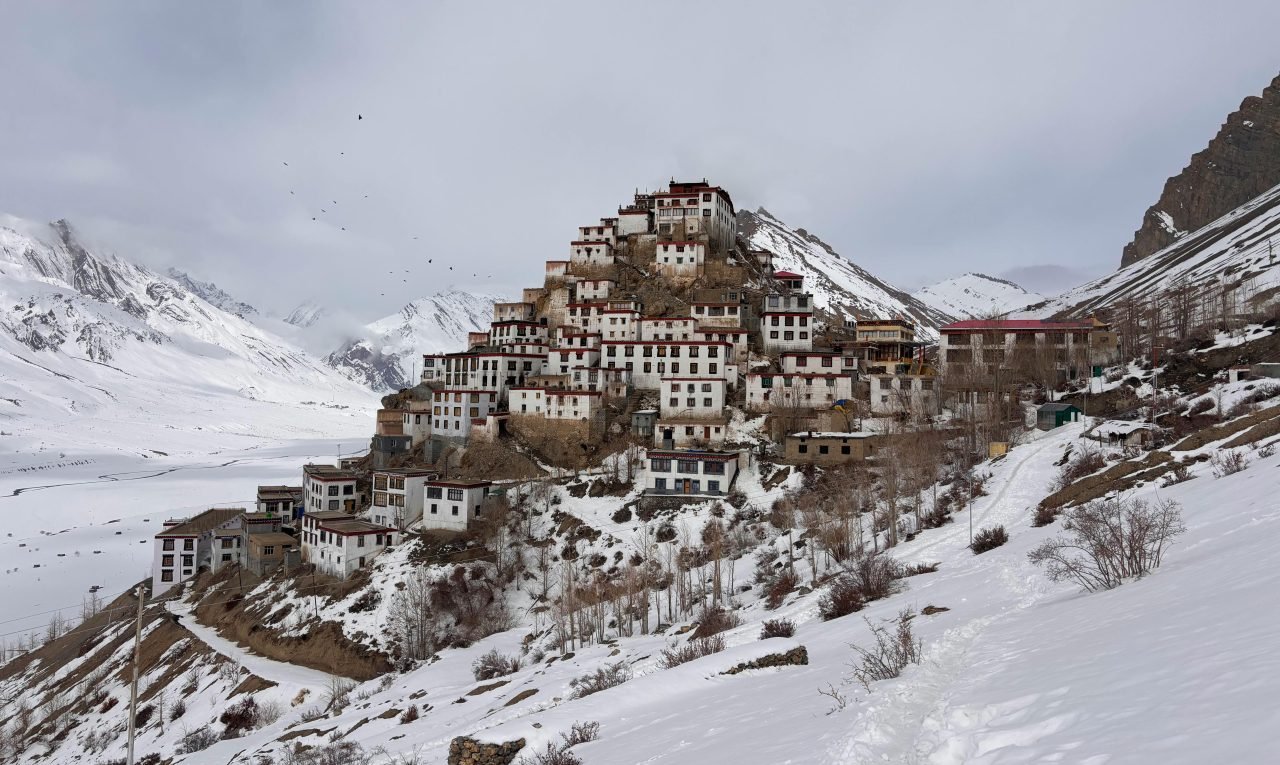
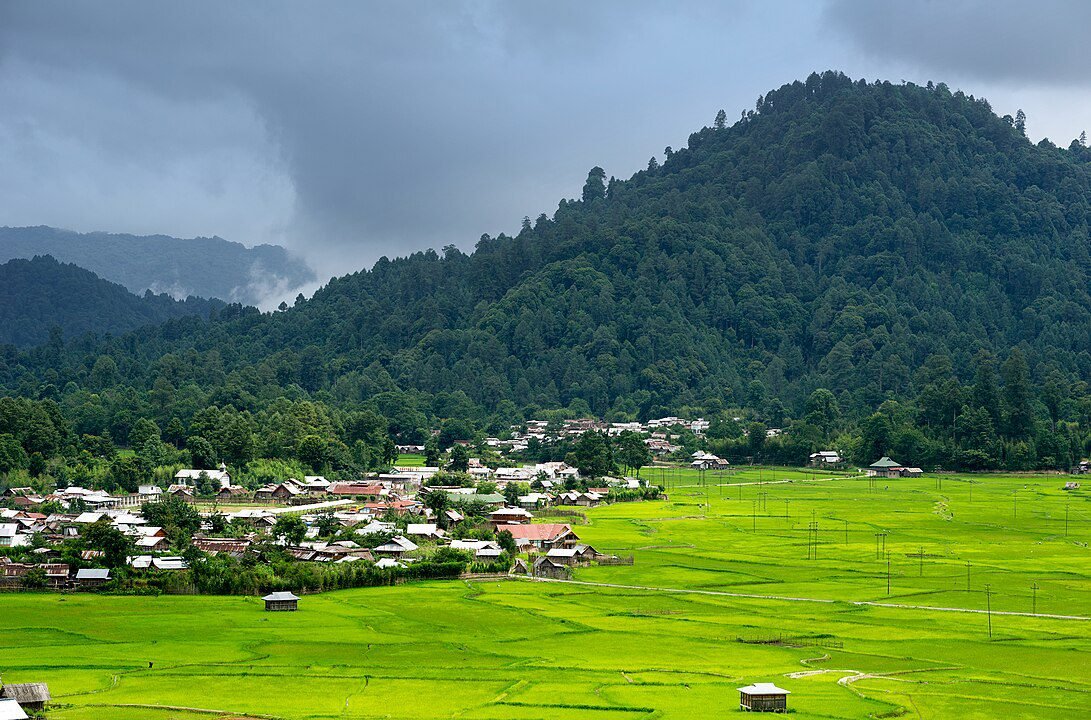
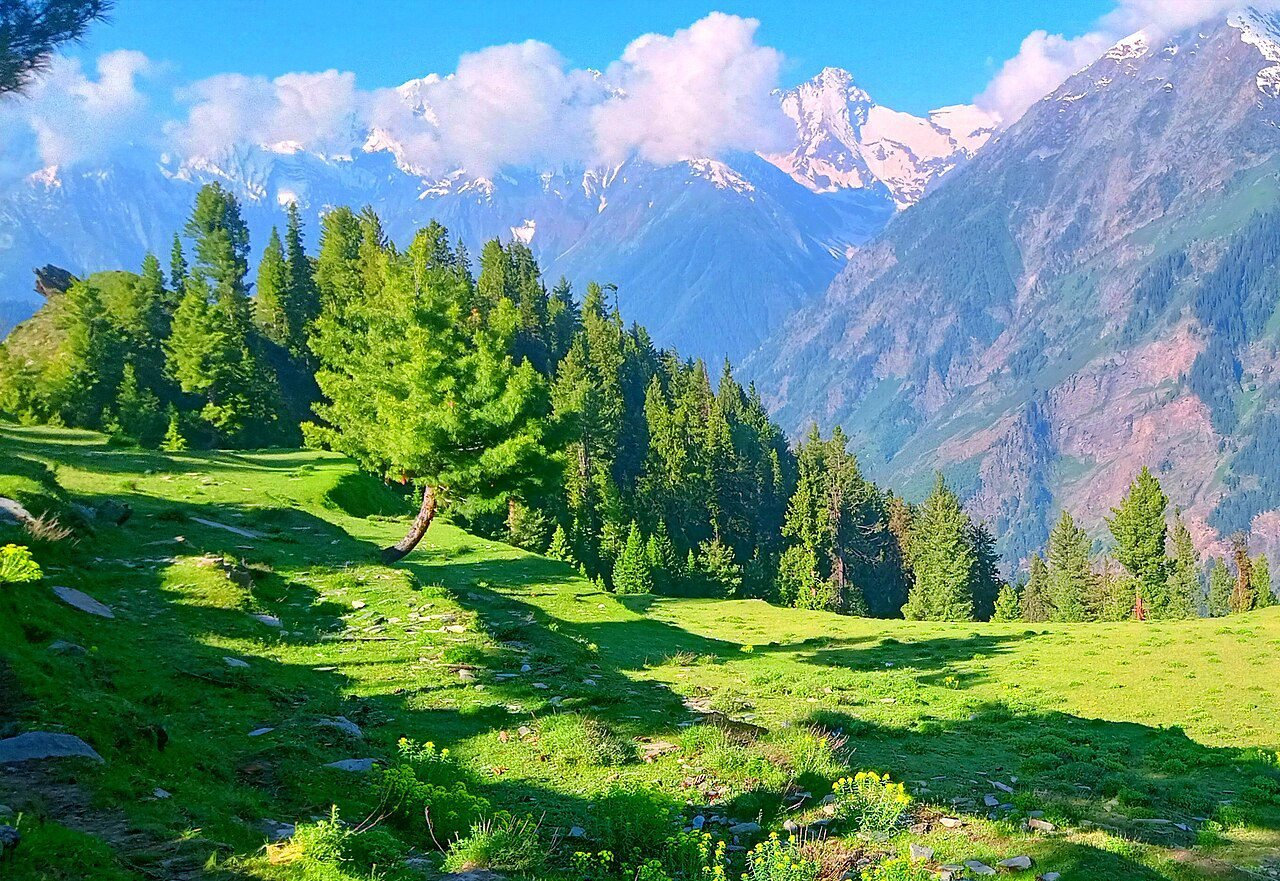
Tucked between the states of Nagaland and Manipur, Dzukou Valley is often called the Valley of Flowers of the Northeast. Carpeted with rolling green hills, colorful seasonal blooms, and mist-laden trails, this hidden gem lies at an altitude of about 2,450 meters above sea level. Dzukou Valley offers a surreal escape for trekkers and nature lovers seeking untouched beauty and tranquility.
The valley derives its name from the Viswema dialect of the Angami tribe, meaning “cold water”, referring to the icy streams that meander through its lush meadows.
How to Reach
By Air: The nearest airport is Dimapur Airport (Nagaland), around 74 km from Kohima. From the airport, one can hire a taxi or bus to reach Viswema Village or Jakhama, the base points for the Dzukou Valley trek.
By Train: Dimapur Railway Station is the nearest major railhead, well connected to Guwahati and other northeastern cities.
By Road: Regular shared cabs and buses operate from Kohima to Viswema and Jakhama. From there, a moderate trek of 3–4 hours leads up to the valley.
Best Time to Visit
The best time to visit Dzukou Valley is from June to September when the valley bursts into a riot of colors with blooming lilies, aconitums, and euphorbias. For those who prefer clear skies and panoramic mountain views, the winter months (November to February) offer a tranquil experience with a golden tinge over the meadows.
Popular Destinations Nearby
Kohima: The capital city of Nagaland, known for the Hornbill Festival, local markets, and World War II cemetery.
Japfu Peak: The second-highest peak in Nagaland, offering breathtaking sunrise views over the Dzukou Valley.
Khonoma Village: Asia’s first green village, known for its community-driven conservation and Angami heritage.
Imphal: Capital of Manipur, around 90 km away, famous for the Loktak Lake and Ima Keithel (women’s market).
Travel Tips
– Carry warm clothes even in summer – the valley gets cold at night.
– Camping inside the valley requires registration at the entry point; basic huts and dormitories are available for overnight stays.
– There’s no mobile network inside the valley – inform family or friends beforehand.
– Avoid littering; the valley is a protected ecosystem managed by local communities.
– Wear proper trekking shoes – the trail can get slippery during monsoon.